
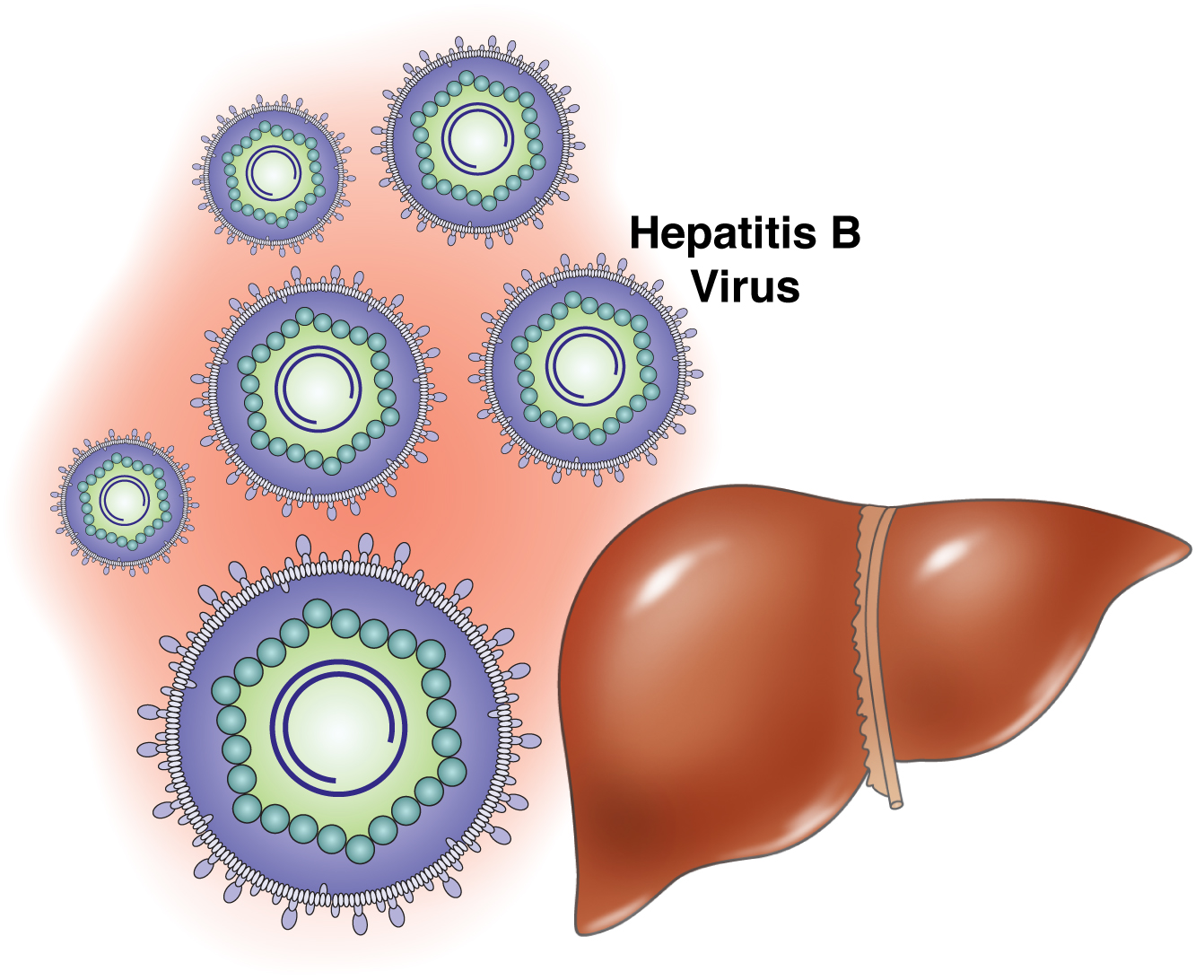
- The prevalence of Hepatitis B infection in Nigeria is about 14%. This may very well be the worst in the world.
- Hepatitis B is a viral infection that attacks the liver and can cause both acute and chronic liver disease, including cancer.
- The virus is transmitted through contact with the blood or other body fluids of an infected person.
- An estimated 600,000 people die each year due to HBV induced liver cancer, liver failure or cirrhosis.
- Two thirds of those infected with HBV are unaware of their infection. (OFTEN COMES WITH NO SYMPTOMS AT ALL)
- Despite there being a vaccine, globally HBV KILLS ONE PERSON EVERY MINUTE
- About 25% of adults who become chronically infected during childhood later die from liver cancer or cirrhosis (scarring of the liver) caused by the chronic infection.
- The hepatitis B virus is100 times more infectious than HIV.
- Hepatitis B is preventable with a safe and effective vaccine.
- About 2 billion people worldwide have been infected with the virus and about 370 million live with chronic infection and liver damage.
What is hepatitis B?
Hepatitis B is a serious liver disease caused by the hepatitis B virus (HBV). The virus can affect people of all ages. Once infected, some people carry the virus their whole lives. This is called “chronic” infection and it can lead to liver cirrhosis, liver failure, liver cancer, and death. The virus is found in the blood and body fluids of infected people. It is most often spread among adults through sexual contact, by sharing needles and other drug paraphernalia, or from an HBV-infected mother to her new born during birth. HBV can also be spread through normal household contact with HBV-infected people.
Symptoms
Some people get sick within the first six months after getting infected. The symptoms of this “acute” hepatitis are loss of appetite, tiredness, stomach ache, nausea, and vomiting. These people might also experience yellowing of the whites of the eyes (jaundice) or joint pain. For some people, acute infection leads to chronic infection while for others their immunity is able to resolve the infection. People with chronic HBV infection usually do not feel sick for many years, but will have symptoms if they develop the most serious complications from hepatitis B, like cirrhosis or liver cancer. A person infected with the virus can pass it on to others even if he or she does not feel sick or show symptoms.
There is no specific treatment for newly acquired HBV infection. Medicines are available to treat people with chronic hepatitis B. These medicines work for some people, but not for all.
Prevention
Safe, effective hepatitis B vaccines are available. The vaccination series is usually given as three doses over a six-month period. Hepatitis B vaccine is the first anti-cancer vaccine because it prevents liver cancer caused by chronic HBV infection. Also observe the following:
- Do not share sharp personal care tools like clippers, razor blades, manicure/pedicure sets, needles
- Dispose hospital wastes appropriately
- Observe standard precautions when handling blood or blood products or while administering injections/infusions.
- Avoid casual or unprotected sex especially with multiple partners.
- Always wipe blood spills with detergent or bleach
- Do not donate blood, sperm or organs when infected and do not
- Seek immediate help when exposed through any means.
Who should get hepatitis B vaccine?
- Adults with diabetes age 19 through 59 years. Vaccination can be considered in those with diabetes who ar age 60 and older.
- Sexually active adults who are not in a long-term, mutually monogamous relationship.
- People whose sex partners are infected with hepatitis B.
- Persons seeking evaluation or treatment for a sexually transmitted disease.
- Men who have sex with men.
- Current or recent injection-drug users.
- People who have close household contact with someone infected with hepatitis B.
- Healthcare and public safety workers at risk for exposure to blood or blood-contaminated body fluids on the job.
- People with chronic liver disease, end-stage kidney disease, or HIV infection.
- Residents and staff of facilities for developmentally disabled people.
- Travellers to regions with moderate or high rates of hepatitis B infection.
- Anyone who wishes to be protected from hepatitis B infection.
Vaccine safety
Hepatitis B vaccine is safe and effective. You cannot get hepatitis B from the vaccine. The most common side effect of the vaccine is soreness at the injection site. As with any medicine, there are very small risks that serious problems could occur after getting the vaccine. However, the potential risks associated with hepatitis B disease are much greater than the potential risks associated with the hepatitis B vaccine.
Disease and vaccine facts
- Hepatitis B virus infection can be prevented with a safe and effective vaccine. You cannot get hepatitis B from the hepatitis B vaccine.
- Adults age 19 through 59 with diabetes are twice as likely as those without diabetes to develop acute hepatitis B infection.
- Hepatitis B infections have declined substantially since 1991 when a strategy to eliminate HBV transmission through immunization was started.
- More than 50 percent of new hepatitis B cases could be prevented if hepatitis B vaccination were routinely offered to everyone attending sexually transmitted disease clinics and to all correctional facility inmates.
- Even if a person infected with hepatitis B virus does not feel sick, he or she can still infect others.
- Hepatitis B infection can result in chronic (life-long) infection that increases a person’s risk of developing chronic liver disease, including cirrhosis and liver cancer.
- Hepatitis B virus is found in blood and other body fluids such as semen and vaginal secretions.
- The hepatitis B virus is 100 times more infectious than HIV, the virus that causes AIDS.
- Hepatitis B is a sexually-transmitted disease but can also be transmitted during normal household or Hospital contact with an infected person.
- Infants born to hepatitis B-infected women have 85%-95% chance of getting the infection from their mothers unless they receive their first hepatitis B vaccination and Hepatitis B Immunoglobulin (HBIG) at birth.
Who Should Receive HBIG?
- People who have had liver transplantation for hepatitis B induced liver failure in order to prevent re-infection with the virus.
- Non-immunised subjects for prevention of hepatitis B in cases of accidental exposure
- Haemodialysed patients for Immunoprophylaxis of hepatitis B
- In the newborn of a hepatitis B virus carrier-mother, at birth or as soon as possible after birth
- People who have failed to respond to vaccination by producing sufficient titre of antibodies in their body.
REFERENCES
. Musa B, Bussell S, Borodo M M, Samaila A A, Femi O L. Prevalence of hepatitis B virus infection
in Nigeria, 2000-2013: A systemaec review and meta-analysis. Niger J Clin Pract 2015; 18:163-72
. World Health Organizaton. Media Centre: hepaats B. July 2013.
Available at: http://www.who.int/mediacentre/factsheets/fs204/en/
. Lozano R, Naghavi M, Foreman K et al. Global and regional mortality from 235 causes of death
for 20 age groups in 1990 and 2010: a systematic analysis for the Global Burden of Disease Study 2010. The Lancet 2012; 380: 2095-128
For more Information,
Call: 08078190845,
Twitter: @biofemgroup
Facebook: Biofem Group Ltd
Instagram: @biofemgroup